Pages

Friday, October 30, 2020

Antarctic Treaty

In Social Studies, we have been learning about the Treaty of Waitangi. We were asked to do a mini Inquiry on another Treaty. My research was on the Antarctic Treaty. 
Here it is-

Thursday, October 29, 2020

Impulse Buying Brochure

Thursday, 29 October 2020


Introduction in Business studies at today's date 
We've been doing about our topic on Impulse buying and 
Writing about what it is, how it affects our wellbeing, 
and what it is to avoid or what to do about it. 

Wednesday, October 28, 2020

Business Puzzle


Introduction: we've been doing a lot of business studies 

Tuesday, October 27, 2020

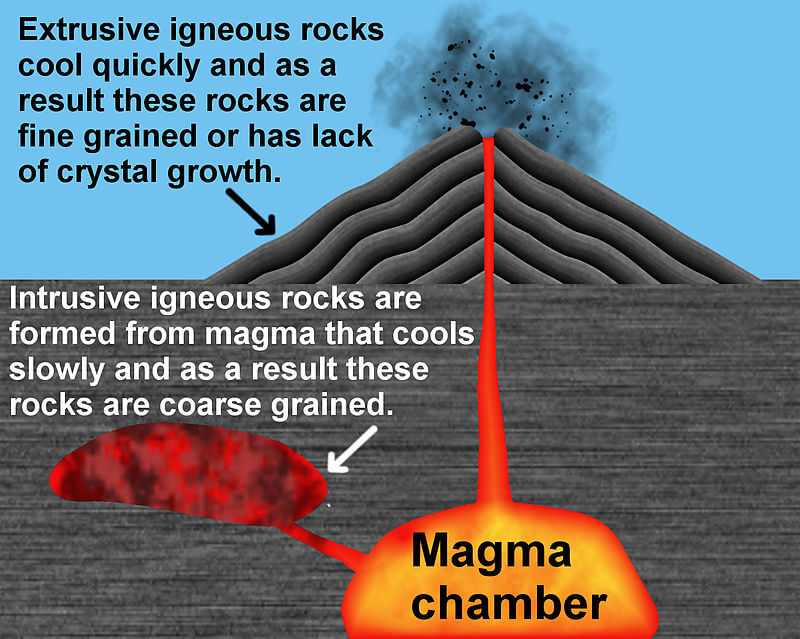
Igneous Rocks


Igneous Rocks: How Are They Formed?


Igneous Rocks. Also known as "Fire Rock" these type of rock are the most common rock on the earth's surface 

Igneous Rocks form from the solidification of Magma, which is hot (600 to 1,300 °C, or 1,100 to 2,400 °F) molten or partially molten rock material and solidifies. The melt originates deep within the Earth near active plate boundaries or hot pots, then rises toward the surface. 
Cool Facts for Kids about Igneous Rocks


Friday, October 23, 2020

Metamorphic rocks

 Metamorphic rocks form when rocks put through to high heat, high pressure, hot mineral-rich fluids or, common conditions like these factors are found deep within the Earth or where tectonic plates meet. 

How are they form
- Metamorphic rocks do not melt. Metamorphic rocks Transform them into murky, more compact rocks. New minerals are created by rearranging of mineral components. Metamorphic rocks are often squished, smeared out, and folded. 

* Metamorphic rocks are formed by the effect of heat and pressure on existing rocks 
*This can greatly affect the hardness, texture, or layer patterns of the rocks 


Wednesday, October 21, 2020

Hello Beautiful Souls

Hi I'm Ace 

Tuesday, October 20, 2020

Rock Types in NZ

New Zealand's Rocks

NZ geology

New Zealand rocks are mainly mapped in terms of their age of formation and their rock type. In addition, the older rocks that form New Zealand’s geological basement are also divided in terms of their position relative to an ancient, now inactive tectonic plate boundary that bisects South Island and North Island. This boundary formed along the edge of Gondwanaland. The rock divisions, therefore, have overlapping ages. 

  • main geological rock types in New Zealand:
  • *Youngest sediments.
  • *Young volcanic rocks.
  • *Sedimentary cover rocks.
  • *Eastern greywacke basement.
  • *Eastern schist basement.
  • *Central volcanic sedimentary basement.
  • *Western metamorphic and sedimentary basement.
  • *Granite and other intrusives.